


After years of drifting in and out of favor, romance is once again commanding attention in film and television. In fact, Hollywood is eager for more romantic adaptations, and the industry’s renewed passion for love stories is showing up everywhere—from box office hits to binge-worthy streaming sensations.
What once seemed like a sidelined genre is now thriving, powered by loyal readers, streaming platforms, and a new generation of storytellers who understand that audiences crave emotional connection just as much as spectacle.
Table of Contents
ToggleA Box Office Revival Fueled by Love Stories


Recent releases make one thing clear: romance is no longer playing second fiddle.
A fresh adaptation of Wuthering Heights has drawn strong box office numbers, helped by star power from Margot Robbie and Jacob Elordi. Meanwhile, Netflix scored big with People We Meet on Vacation, based on Emily Henry’s bestselling novel, which quickly climbed to the top of the platform’s charts following its January debut.
On television, Heated Rivalry—adapted from a beloved LGBTQ+ hockey romance novel—has turned into a pop culture phenomenon within just a few months of release.
These successes are not isolated incidents. They reflect a broader shift in the entertainment landscape. Studios are actively seeking romance properties, recognizing that Hollywood is eager for more romantic adaptations that come with built-in audiences.
The Power of the Core Audience
Industry insiders say this resurgence is largely driven by readers. Romance authors bring fiercely loyal fan bases that studios can translate into ticket sales and streaming numbers. As a result, some writers are now commanding six- and even seven-figure deals for adaptation rights.
Producer Lauren Levine, who partners with bestselling author Colleen Hoover, has witnessed this firsthand. The film version of It Ends With Us was made on a modest $25 million budget yet earned over $351 million globally—an extraordinary return on investment.
Hoover’s next adaptation, Reminders of Him, is set for release through Universal Pictures, signaling continued confidence in romance-driven storytelling.
According to Levine, the appeal of romance goes far beyond steamy scenes.
“People assume it’s just about the spice,” she explains. “But what truly resonates is the emotional yearning—the connection. That’s what readers and viewers fall in love with.”
The BookTok Effect


A major force behind the boom is BookTok, a thriving TikTok community where readers passionately discuss and recommend books—especially romance.
During the Covid-19 pandemic, this digital book club exploded in popularity. Readers who were physically isolated found connection online, bonding over fictional love stories. That momentum hasn’t slowed.
When a BookTok favorite gains traction, its sales can skyrocket overnight. Studios have taken notice. By adapting these viral hits, they tap into an audience that is already emotionally invested.
At a winter premiere event for People We Meet on Vacation in Los Angeles, dozens of BookTok creators attended through fan sweepstakes. They weren’t just viewers; they were ambassadors, amplifying the film across social media.
This synergy between online fandom and film marketing perfectly illustrates why Hollywood is eager for more romantic adaptations rooted in literary communities.
Streaming Platforms Filled the Gap
For years, traditional studios prioritized superhero franchises and familiar intellectual property. Romance, once a staple of theatrical releases, quietly faded from big screens.
Streaming services changed that.
Executives at Netflix note that audiences never stopped loving romance—studios simply stopped producing it at scale. Streamers seized the opportunity, reviving the genre for an “underserved audience.”
Data from Parrot Analytics shows that between 2020 and late 2025, romance book adaptations generated 4.5% of Netflix’s streaming revenue. Among the top-performing titles:
-
Outlander
-
Bridgerton
-
You
These shows blend passion, drama, and character-driven storytelling—exactly what romance fans crave.
From Fan Fiction to Film Deals
The pipeline from page to screen is more diverse than ever. Consider Ali Hazelwood, whose novel The Love Hypothesis began as Star Wars fan fiction inspired by Rey and Kylo Ren.
Now, the story is heading to the big screen via Amazon MGM Studios. Hazelwood has become one of the most sought-after authors in Hollywood, with buyers eager to secure her next manuscript before it even hits shelves.
Producers say one critical ingredient in adaptation success is casting. While A-list stars can help, chemistry and authenticity often matter more. In the case of The Love Hypothesis, casting Tom Bateman delighted fans due to his connection to the story’s fan fiction roots.
Respecting readers while broadening appeal is a delicate balance—but when done well, it can ignite enormous enthusiasm.
Romance on a Budget—With Big Returns
Most romance adaptations operate within $25 million to $40 million budgets, far less than superhero blockbusters. That financial flexibility reduces risk and allows filmmakers to prioritize storytelling over spectacle.
An exception is the newer version of Wuthering Heights, reportedly made for closer to $80 million. Still, compared to franchise tentpoles, romance remains a cost-effective genre with significant upside.
The Rise of “Romantasy”


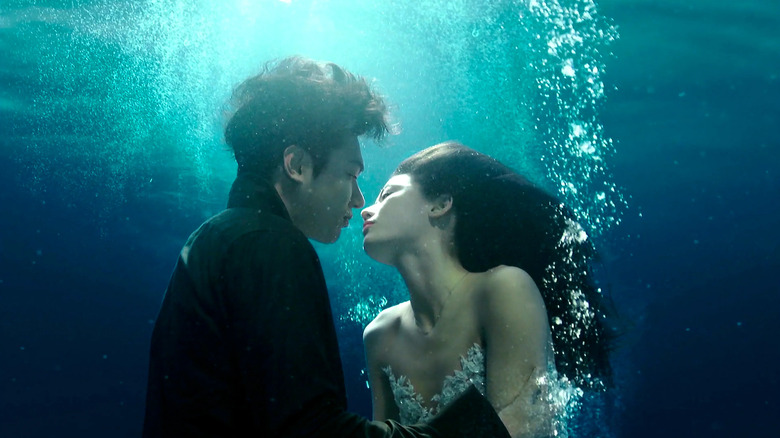
The genre is also evolving. “Romantasy”—a blend of romance and fantasy—is rapidly gaining ground.
One of the biggest titles in this space is Fourth Wing by Rebecca Yarros, currently being developed for series adaptation by Michael B. Jordan’s production company for Prime Video.
By combining epic world-building with intense emotional arcs, romantasy expands the genre’s reach—drawing in viewers who might not typically gravitate toward traditional love stories.
A New Generation of Love Stories
Romantic films once thrived in the ’90s and early 2000s, with hits like A Walk to Remember, Pride & Prejudice, and Bridget Jones’s Diary capturing hearts worldwide.
Today’s resurgence suggests audiences still want those emotional experiences—just refreshed for modern sensibilities.
Writer-director Nancy Meyers, long considered royalty in romantic comedy, is returning to theaters after a decade-long hiatus. Warner Bros. has greenlit her upcoming romantic comedy set for a Christmas Day 2027 release.
If anything proves that Hollywood is eager for more romantic adaptations, it’s the industry’s willingness to invest once again in filmmakers synonymous with love stories.
Why Romance Endures
At its core, romance offers something universal: hope. In a world saturated with dystopias, superheroes, and reboots, love stories remind audiences of vulnerability, longing, and connection.
They’re endlessly rewatchable. They spark online communities. They generate passionate fandoms.
And perhaps most importantly, every generation wants its own defining love story.
With streaming platforms doubling down, authors becoming entertainment powerhouses, and BookTok driving demand, the message from audiences is loud and clear:
Love isn’t just back. It never really left.


